


Vasculitis in Milford - Rheumatology Center of Delaware
We offer the latest quality, state of the art medical care yet in a personable setting. We aim to meld the cutting edge specialist medical care that our clients expect in a comfortable family-oriented atmosphere.
Understanding Vasculitis: A Comprehensive Guide to Blood Vessel Inflammation
Vasculitis refers to the inflammation of blood vessels, which can affect various parts of the body and impair blood flow. This condition involves the immune system attacking blood vessels, leading to a range of health complications. Vasculitis can be a serious disease that affects both large and small blood vessels, causing damage to organs and tissues. In this article, we will explore the causes, symptoms, types, and treatments of vasculitis, shedding light on how it affects the immune system and blood circulation.
What is Vasculitis?
Vasculitis is an autoimmune disease in which the body’s immune system mistakenly targets its own blood vessels. The inflammation of blood vessels can occur in any part of the body and restrict blood flow. This can damage organs and tissues, leading to a variety of symptoms and health complications. Blood vessels, ranging from large arteries to small capillaries, can be affected.
How Does Vasculitis Affect Blood Vessels?
When the immune system attacks blood vessels, it leads to inflammation. The inflammation of blood vessels causes them to narrow, restricting blood flow to vital organs and tissues. This reduced blood flow can result in tissue and organ damage, including issues within the central nervous system, muscles, and other body systems.
Types of Vasculitis
There are several types of vasculitis, each affecting different sizes of blood vessels. Some common types include:
Giant Cell Arteritis: Affects large blood vessels, particularly in the head and neck region.
Granulomatosis with Polyangiitis: Affects small and medium-sized blood vessels.
Kawasaki Disease: Primarily affects children and involves inflammation of blood vessels, especially coronary arteries.
Rheumatoid Arthritis-Related Vasculitis: Occurs in people with rheumatoid arthritis, affecting small blood vessels.
Understanding the specific type of vasculitis is crucial for effective treatment and management.
Diagnosing Vasculitis
Vasculitis is diagnosed through a combination of physical examinations, blood tests, and imaging techniques. Blood tests are essential for detecting signs of inflammation and autoimmune activity. Additionally, a biopsy of affected tissue may be performed to confirm the diagnosis.
How Inflammatory Diseases Contribute to Vasculitis
Inflammatory diseases, such as lupus and rheumatoid arthritis, can trigger vasculitis by promoting immune system dysfunction. These diseases cause chronic inflammation, which may lead to blood vessel damage and the development of vasculitis over time.
How Vasculitis Affects Small Blood Vessels
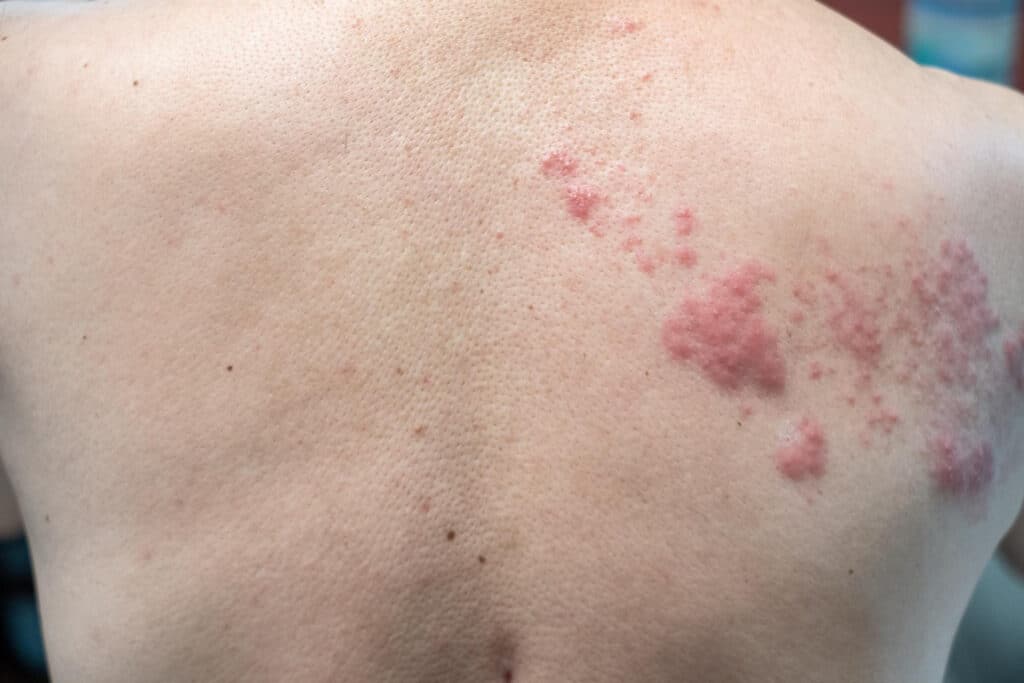
Small blood vessels, such as capillaries and arterioles, are commonly affected by vasculitis. When these tiny blood vessels become inflamed, it can lead to restricted blood circulation to tissues and organs, impacting the function of healthy blood vessels. This can cause a variety of symptoms, such as skin rashes, muscle pain, and nerve damage.
Symptoms of Vasculitis
Inflammation in blood vessels can lead to swelling, pain, and stiffness in the joints.
Muscle soreness and weakness are common, especially in large blood vessels.
In some cases, vasculitis can affect blood flow to the digestive system, causing discomfort.
Chronic inflammation can lead to unintentional weight loss, a common symptom of vasculitis.
A low-grade fever is often present in cases of vasculitis due to the body's inflammatory response.
Treating Vasculitis with Immunosuppressive Drugs
The most common treatment for vasculitis involves the use of immunosuppressive medications. These drugs help reduce inflammation and control the immune system’s abnormal response. Corticosteroids are often prescribed, along with other immunosuppressive agents, to prevent further damage to blood vessels.
Preventing Vasculitis Symptoms
While vasculitis cannot always be prevented, managing risk factors can help reduce symptoms. Regular medical checkups, a healthy lifestyle, and avoiding smoking can improve vascular health. Additionally, early intervention and treatment can help prevent long-term damage caused by vasculitis.
Early Diagnosis and Treatment
Commonly used to reduce inflammation quickly and manage symptoms.
Suppresses the immune system to reduce inflammation and prevent organ damage.
An immunosuppressant that can be used for less severe forms of vasculitis.
A procedure where plasma is removed and replaced to remove harmful antibodies from the blood.
Intravenous infusion of antibodies to modulate immune function in some vasculitis types.

OUR MEDICAL CLINIC SERVICES IN MILFORD, DELAWARE
MILFORD SPECIALIZE IN RHEUMATOLOGY AND INFUSION THERAPY
Our Milford facility is dedicated to providing specialized care in rheumatology and infusion therapy. Focused on treating complex autoimmune and inflammatory conditions, we offer expert diagnosis and management tailored to your needs. Equipped with advanced medical technology, our infusion therapy services ensure safe and effective delivery of treatments in a comfortable environment. Trust Milford’s team of specialists to provide compassionate, high-quality care designed to improve your health and well-being.
Rheumatoid Arthritis
Crohn’s
Osteoarthritis
Psoriasis and
Psoriatic Arthritis
Systemic Lupus
Ulcerative colitis
Joint injections
Connective
tissue disease
Osteoporosis
Temporal arteritis
Vasculitis
Generalized
joint pain
Ankylosing Spondylitis
Gout
Fibromyalgia
Polymyalgia
rheumatica
Rheumatoid Arthritis
Crohn’s
Osteoarthritis
Psoriasis and
Psoriatic Arthritis
Systemic Lupus
Ulcerative colitis
Joint injections
Connective
tissue disease
Osteoporosis
Temporal arteritis
Vasculitis
Generalized
joint pain
Ankylosing Spondylitis
Gout
Fibromyalgia
Polymyalgia
rheumatica
Areas Rheumatology Center of Delaware Cares
Wilmington
Wilmington facility is committed to providing expert care in...
Dover
Dover Urgent Care offers prompt medical attention for...
Milford
Milford facility is dedicated to providing specialized care in...
Areas Rheumatology Center of Delaware Cares
Wilmington
Wilmington facility is committed to providing expert care in...
Dover
Dover Urgent Care offers prompt medical attention for...
Wilmington
Milford facility is dedicated to providing specialized care in...
Early Diagnosis is Key
Managing vasculitis involves regular monitoring and adapting to changes in health. Patients with vasculitis, including those with Kawasaki disease, often need to work closely with their healthcare providers to adjust medications and lifestyle changes. While the disease can be challenging, with proper care, many individuals with vasculitis can live fulfilling lives.
RHEUMATOLOGY CENTER OF DELAWARE FAQs ABOUT VASCULITIS
What is vasculitis?
Vasculitis is the inflammation of blood vessels, which can affect blood flow and damage organs and tissues.
What causes vasculitis?
The exact cause is often unknown, but it can be triggered by autoimmune diseases, infections, medications, or other inflammatory conditions.
What types of vasculitis are there?
There are several types, including Giant Cell Arteritis, Granulomatosis with Polyangiitis, Takayasu Arteritis, and others. Each affects different blood vessels in the body.
What treatments are available for vasculitis?
Treatment often includes corticosteroids, immunosuppressive drugs, biologic therapies like rituximab, and supportive treatments to manage symptoms.
When should I see a doctor if I suspect vasculitis?
If you experience persistent symptoms like unexplained fever, fatigue, joint pain, or skin rashes, it’s important to consult a healthcare provider as soon as possible.
Contact Information
- 302-422-2124
- 2000 Brent Jordan Way Milford, DE 19963, USA
Enjoy a Meal at The Crossroads Restaurant & Pub
Visit The Crossroads Restaurant & Pub, a historic eatery offering delicious food in a cozy, welcoming atmosphere. Known for its hearty meals and local charm, it’s the perfect spot to relax and enjoy a satisfying meal with friends or family. Whether dining in or grabbing a quick bite, The Crossroads provides a comforting and memorable experience.
The Rheumatology Center of Milford, Delaware specializes in the diagnosis and treatment of vasculitis, a condition that causes inflammation of blood vessels. Our expert team of rheumatologists is dedicated to providing comprehensive care to help manage and treat this complex disease. With personalized treatment plans tailored to each patient’s needs, we focus on controlling inflammation, alleviating symptoms, and preventing long-term damage to organs and tissues. We utilize the latest treatments, including corticosteroids, immunosuppressive drugs, and biologic therapies, to ensure the best possible outcomes for our patients. If experiencing symptoms like joint pain, fatigue, or unexplained rashes, don’t wait contact us today to schedule an appointment and take the first step toward better health.