Delaware Osteoporosis Treatment - Rheumatology Center of Delaware
We offer the latest quality, state of the art medical care yet in a personable setting. We aim to meld the cutting edge specialist medical care that our clients expect in a comfortable family-oriented atmosphere.


Expert Osteoporosis Treatment at the Rheumatology Center of Delaware
At the Rheumatology Center of Delaware, we offer specialized care for osteoporosis, focusing on personalized treatment plans to improve bone health and prevent fractures. Our experienced team uses advanced diagnostics and evidence-based therapies to ensure the best outcomes for each patient, whether you’re seeking prevention or management of the condition.

What is Osteoporosis?
Osteoporosis is a condition that weakens bones by reducing bone density and mass, making them more fragile and prone to fractur es. It primarily affects older adults, especially postmenopausal women, due to hormonal changes, but men are also at risk. Lifestyle factors such as poor nutrition, lack of exercise, smoking, and excessive alcohol use contribute to its development. Often called the “silent disease,” osteoporosis progresses without symptoms until fractures occur.
The Rheumatology Center of Delaware specializes in osteoporosis care, offering advanced diagnostics, personalized treatment plans, and evidence-based therapies to prevent and manage bone loss. Their expert team provides comprehensive support to improve bone health and enhance patients’ quality of life. With a reputation for excellence, the center remains a trusted resource for osteoporosis treatment in Delaware.
Why Is Osteoporosis Called a Silent Disease?
Osteoporosis is often described as a silent disease because bone loss generally does not cause noticeable symptoms in its early stages.
A person may feel well while bone strength gradually decreases. In some cases, the first indication of osteoporosis is a fracture.
Why Does Osteoporosis Matter?
The primary concern with osteoporosis is fracture risk. Weakened bones are more vulnerable to fractures, and certain fractures can substantially affect mobility, independence, and overall health.
- A rheumatologist may consider the broader clinical picture, including:
- Bone mineral density
- Age
- Previous fractures
- Family history
- Long-term corticosteroid use
- Current medications
- Lifestyle factors
- Overall fracture risk
The goal is to understand the patient’s bone health and determine whether medical treatment, lifestyle changes, monitoring, or a combination of approaches may be appropriate.
What Are the Symptoms of Osteoporosis?
Osteoporosis usually causes no symptoms until a bone becomes weak enough to fracture.
- Possible signs that warrant medical evaluation include:
- A fracture after a relatively minor fall or injury
- Loss of height over time
- Changes in posture
- Back pain associated with a vertebral fracture
- A history of previous low-trauma fractures
However, having none of these symptoms does not necessarily mean your bones are healthy.
Does Osteoporosis Cause Joint Pain?
Osteoporosis itself does not usually cause generalized joint pain.
Joint pain may instead be related to conditions such as osteoarthritis, rheumatoid arthritis, gout, inflammatory arthritis, or other musculoskeletal disorders.
What Causes Osteoporosis?
Osteoporosis develops when bone loss occurs faster than new bone formation, reducing bone strength over time. Aging is an important contributor, but osteoporosis can also be influenced by hormonal changes, medical conditions, medications, nutrition, lifestyle, and genetic factors.
Some people develop osteoporosis primarily as part of age-related bone loss. Others have secondary osteoporosis, meaning another disease or medication contributes to declining bone strength.
Identifying these factors can be an important part of a rheumatology evaluation.
Having a risk factor does not mean you will develop osteoporosis. It means that evaluating bone health may be more important.
Who Is at Risk for Osteoporosis?
A person’s risk depends on multiple factors rather than one single cause.
- Increasing age
- Menopause
- Family history of osteoporosis or fractures
- Previous fractures
- Low body weight
- Inadequate calcium or vitamin D
- Low levels of physical activity
- Smoking
- Excessive alcohol consumption
- Certain hormonal or gastrointestinal disorders
- Some inflammatory diseases
- Long-term use of glucocorticoid medications such as prednisone
- Medications or treatments that affect bone metabolism
Prevention and Lifestyle Choices
Engaging in weight-bearing exercises is one of the most effective ways to prevent bone loss. Activities such as walking, running, and strength training stimulate bone formation, helping to maintain or even increase bone density. Weight-bearing exercises also improve balance and coordination, reducing the risk of falls.
Maintaining healthy bones involves a combination of proper nutrition, physical activity, and lifestyle choices. A balanced diet rich in calcium and vitamin D, along with regular weight-bearing exercise, is essential for bone formation and preventing osteoporosis.
A well-balanced diet is essential for maintaining healthy bones. Calcium and vitamin D are particularly important for bone health, as they help the body absorb calcium and support bone formation. Foods rich in calcium, such as dairy products, leafy greens, and fortified foods, can help maintain bone density.
Osteoporosis and Related Health Conditions
Prostate Cancer and Osteoporosis – is an autoimmune condition that affects the joints. People with rheumatoid arthritis are at a higher risk of developing osteoporosis due to the inflammation associated with RA.
Prostate Cancer and Osteoporosis – Prostate cancer and its treatments can have a significant impact on bone health. Medications used to treat prostate cancer, such as androgen deprivation therapy (ADT), can lower bone density and increase the risk of osteoporosis. Men undergoing these treatments should closely monitor their bone health with their healthcare provider.
Breast and Prostate Cancer – Both breast and prostate cancer treatments can lead to a decrease in bone density. Chemotherapy, hormonal therapies, and certain medications used in cancer treatment can cause bone loss. It is important for cancer patients to discuss bone health with their healthcare providers and take steps to protect their bones.
Essential Steps for Stronger Bones
Building and maintaining strong bones requires a proactive approach that includes proper nutrition, regular exercise, and medical interventions when needed. Osteoporosis can often be prevented or managed through lifestyle changes, early detection, and targeted treatments such as medications and hormone therapy. By taking essential steps like increasing calcium intake, staying active, and working with healthcare providers, individuals can reduce their risk of fractures and maintain bone health at any age.
How Is Osteoporosis Diagnosed?
Osteoporosis evaluation commonly includes medical history, fracture-risk assessment, bone mineral density testing, and, when appropriate, laboratory testing to look for conditions contributing to bone loss.
Bone density testing can help:
- Identify low bone density
- Support an osteoporosis diagnosis
- Estimate future fracture risk
- Establish a baseline for monitoring
- Evaluate changes in bone density during treatment
A rheumatologist may also consider previous fractures, age, medications, other diseases, and overall fracture risk when discussing treatment.
How Is Osteoporosis Treated?
Osteoporosis treatment aims to preserve or improve bone strength and reduce the likelihood of fractures. Treatment may include medication, adequate calcium and vitamin D, appropriate exercise, fall prevention, management of contributing conditions, and ongoing monitoring.
RHEUMATOLOGY CENTER OF DELAWARE FAQs ABOUT OSTEOPOROSIS
What causes osteoporosis?
Osteoporosis can be caused by factors such as aging, hormonal changes (especially the decrease in estrogen after menopause), poor nutrition (lack of calcium or vitamin D), lack of physical activity, smoking, and excessive alcohol consumption. Our specialists at the Rheumatology Center of Delaware can assess these factors and help create a personalized treatment plan to manage the condition.
Who is at risk for osteoporosis?
While anyone can develop osteoporosis, certain individuals are at higher risk. Postmenopausal women, older adults, and individuals with certain medical conditions or family histories are more likely to experience bone loss. A thorough assessment of risk factors can help determine if you are at an increased risk.
What are the symptoms of osteoporosis?
Osteoporosis is often referred to as a “silent disease” because it typically has no symptoms until a fracture occurs. Common signs include back pain, a decrease in height over time, and a stooped posture. If you experience any of these symptoms, the Rheumatology Center of Delaware can help with early diagnosis and management.
How is osteoporosis diagnosed?
Osteoporosis is diagnosed using a bone density test (DEXA scan), which is a key part of the evaluation process at the Rheumatology Center of Delaware. We provide thorough assessments and discuss treatment options based on your bone health and test results.
Can osteoporosis be prevented?
Rheumatology Center of Delaware's Osteoporosis Services in Delaware
At the Rheumatology Center of Delaware, we offer specialized services for managing rheumatoid conditions. As a leading facility, we provide timely evaluations and treatments to reduce pain, inflammation, and improve mobility. With a state-of-the-art facility, we ensure comprehensive care from diagnosis to long-term management. Join our community and make us your go-to for expert rheumatoid arthritis support, helping you regain control of your wellness.
Rheumatoid Arthritis

Crohn’s

Osteoarthritis

Psoriasis and
Psoriatic Arthritis

Systemic Lupus

Ulcerative colitis

Joint injections

Connective
tissue disease

Osteoporosis

Temporal arteritis

Vasculitis

Generalized
joint pain
Ankylosing Spondylitis
Gout

Fibromyalgia
Polymyalgia
rheumatica
Areas We Serve in Delaware - Osteoporosis Service
Wilmington
Wilmington facility is committed to providing expert care in...
Dover
Dover Urgent Care offers prompt medical attention for...
Milford
Milford facility is dedicated to providing specialized care in...
Delaware, by the numbers
Most people feel nothing until bone loss is significant. When signs do appear, they tend to look like this:
28.1%
Adults diagnosed with arthritis Arthritis often coexists with osteoporosis, compounding fall and fracture risk.
52.0%
of the population Female population Women face substantially greater osteoporosis risk, particularly after menopause.
22.8%
The age group with the highest risk of osteoporosis and fragility fractures.
- Source:
- U.S. Census Bureau
- & CDC MMWR
Bone Health Management: Lifestyle Care Vs. Specialist Osteoporosis Treatment
| Lifestyle & Self-Care | Specialist Osteoporosis Treatment |
|---|---|
| Primary Goal Maintain bone health and reduce future risk | Primary Goal Slow bone loss, strengthen bones, and help prevent fractures |
| Treatment Approach Calcium, vitamin D, weight-bearing exercise, healthy lifestyle | Treatment Approach Personalized treatment plans including DEXA evaluation, prescription medications, and infusion therapy when clinically appropriate |
| Monitoring Usually managed through routine wellness visits | Monitoring Regular bone density monitoring and specialist follow-up to assess treatment response |
| Medication Support Over-the-counter supplements when appropriate | Medication Support Prescription therapies such as bisphosphonates, denosumab, anabolic medications, or IV infusion treatments based on individual needs |
| Best For People looking to maintain healthy bones and reduce osteoporosis risk | Best For Patients diagnosed with osteoporosis, osteopenia with high fracture risk, or previous fragility fractures |
| Fracture Prevention Supports healthy bones but may not be enough for advanced bone loss | Fracture Prevention Evidence-based treatments designed to reduce fracture risk while improving long-term bone health |
| Care Team Primary care guidance and healthy lifestyle habits | Care Team Rheumatologists providing individualized care, advanced diagnostics, medication management, and ongoing monitoring |
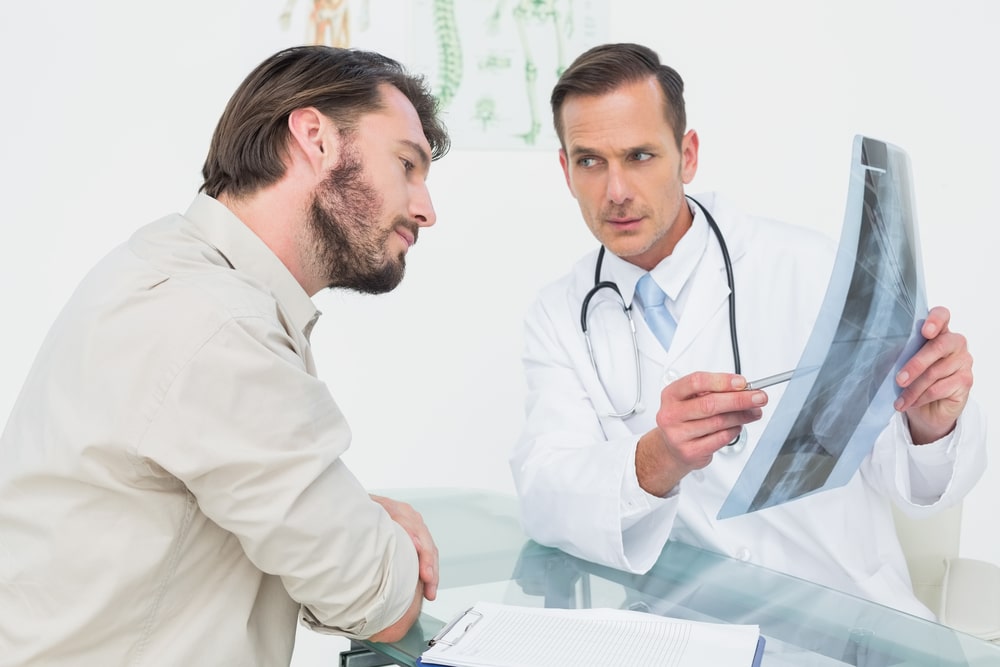
Find Relief Today! Book Your Osteoporosis Treatment Appointment at the Rheumatology Center of Delaware Now!
The Rheumatology Center of Delaware actively assists individuals struggling with osteoporosis or seeking to prevent bone loss. Our expert team delivers personalized care and advanced treatments, ensuring effective management of osteoporosis while enhancing quality of life. Recognizing the specific challenges posed by this condition, we remain steadfast in providing targeted relief and unwavering support. Schedule an appointment today to take decisive action toward stronger, healthier bones under the guidance of our trusted specialists. The journey to improved bone health begins now.
Your Rheumatology Care Experts in Delaware
Trustworthy, compassionate care from professionals you can rely on. Schedule your appointment today.